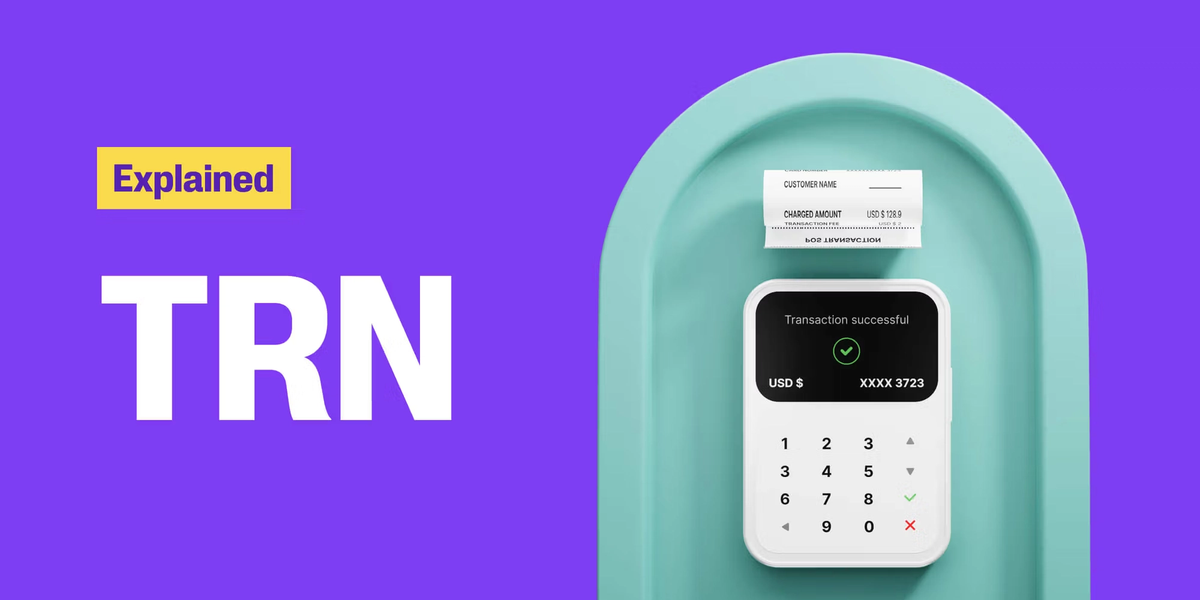
Transaction Reference Number (TRN) Explained

In today's digital world, millions of financial transactions happen every second, from small purchases to global transfers. Each needs a unique identifier for tracking and security. That's where the Transaction Reference Number (TRN) comes in. Have you ever wondered, "Is the bank reference number and transaction ID the same?" or "What is a transaction number?"
In this blog, we'll delve into what a TRN is, its significance, and how to check the TRN number online.
What is a Transaction Reference Number (TRN)?
A Transaction Reference Number (TRN) is a unique alphanumeric code assigned to each financial transaction. It acts like a digital fingerprint for your transaction, enabling tracking, verification, and future referencing.
What are the various significances of TRN?
- Proof of Transaction: The Transaction Reference Number (TRN) is crucial proof in any financial dispute or confusion, and it's the first detail customer service will request when addressing transaction queries.
- Efficient Tracking: A TRN allows financial institutions to quickly locate transaction details among millions, streamlining verification or investigation processes.
- Essential for Record-Keeping: For businesses, having a TRN for each transaction helps maintain clear financial records, vital for accounting, auditing, and taxation.
- Enhanced Security: The TRN provides a unique identifier for every transaction, enhancing security by safeguarding against fraud and ensuring details remain secure.
- Ease of Reconciliation: TRNs simplify reconciliation, especially for businesses with many daily transactions, by matching TRNs to ensure records align with financial institutions.
- User Confidence: TRNs boost customer confidence in a business's financial transparency, allowing customers to track their transactions and ensuring the security of their funds.
How Transaction Reference Numbers (TRNs) work?
- Automatic Generation: Modern financial systems use advanced technology to automatically generate a unique Transaction Reference Number (TRN) whenever you initiate a transaction.
- Unique Identifier: This TRN acts like a fingerprint for your transaction, allowing it to be easily tracked and referenced later.
- Transparency & Trust: The TRN is instantly communicated to everyone involved in the transaction, fostering trust and accountability.
How do I find a TRN?
The Transaction Reference Number (TRN) can be found in the following ways:
- It can be printed on physical receipts for face-to-face transactions.
- It may be included in confirmation emails for online purchases or fund transfers.
- It is often listed in your monthly bank or credit card statements.
- It can be displayed in mobile banking or e-wallet app transaction summaries.
How to distinguish TRN from other identifiers?
While TRN is a pivotal identifier for financial transactions, you might encounter other reference numbers:
- Order ID: Specific to e-commerce, indicating a placed order.
- Invoice Number: Used primarily for billing, especially in B2B contexts.
- Tracking ID: Pertains to the logistics sector, tracking parcel deliveries.
The TRN stands out as it encompasses a broader range of financial activities, not limited to a specific sector.
What are the potential challenges with TRNs
- Manual Errors: Human errors like mistyping can occur while noting or communicating a TRN.
- System Limitations: Occasionally, system glitches might lead to duplicate TRNs or even missed TRN generation.
Conclusion
The future of Transaction Reference Numbers (TRNs) is closely tied to technological advancements. With the rise of blockchain technology, we can expect more secure and transparent TRN systems.
Knowing the TRN number status and how to find reference numbers enhances your ability to monitor financial activities. Though often overlooked, the Transaction Reference Number is crucial in the financial ecosystem.
It serves as the silent guardian of every transaction, ensuring that your money's path is always traceable, secure, and verifiable.
Understanding your Transaction Reference Number (TRN) is crucial for tracking payments and ensuring successful transactions. But when sending money internationally, tracking is just one piece of the puzzle. With Aspora, you can send money to India at the same rates that you see on Google and at zero hidden fees.
FAQs
What is the primary purpose of Section 54F of the Income Tax Act?
Section 54F aims to provide a tax exemption on long-term capital gains arising from the sale of assets other than residential properties if the proceeds are reinvested in a new residential property.
Who can avail the benefits of Section 54F?
Any individual or Hindu Undivided Family (HUF) selling an asset other than a residential property and investing the sale proceeds in a residential property can avail the benefits.
Are there any conditions on owning multiple properties to claim the 54F exemption?
Yes, the taxpayer shouldn't own more than one residential property at the time of the sale, excluding the new one being purchased or constructed.
How long do I have to reinvest the proceeds from the sale to claim exemption under Section 54F?
You have a window of one year before or two years after the date of sale to buy a residential property, or three years if you're constructing a new property.
Is it necessary to invest the entire sale proceeds or just the capital gain amount?
For Section 54F, the entire sale consideration must be reinvested, not just the capital gains.
What happens if I don't invest the entire sale proceeds in a new property but still want to claim the exemption?
If you invest a portion of the sale proceeds, the exemption will be proportionate. It will be calculated based on the amount invested relative to the total sale proceeds.
Can I invest in multiple properties to avail the exemption under Section 54F?
No, the exemption under Section 54F is available only if the sale proceeds are invested in one residential property.
What if I sell the new property within a short period after purchasing or constructing it?
If the new property is sold within a period of three years from its purchase or construction, the exemption claimed under Section 54F will be revoked.
What happens if I don't utilise the entire proceeds before filing the tax return?
If you don't utilise the entire proceeds before the due date of filing the tax return, the unutilized amount should be deposited in the Capital Gains Account Scheme. This amount should then be used to purchase or construct a property within the specified time frame.
Are NRIs eligible to claim an exemption under Section 54F?
Yes, Non-Resident Indians (NRIs) are also eligible to claim an exemption under Section 54F, subject to the same conditions and provisions as resident Indians.
Download the app